Between the Lines

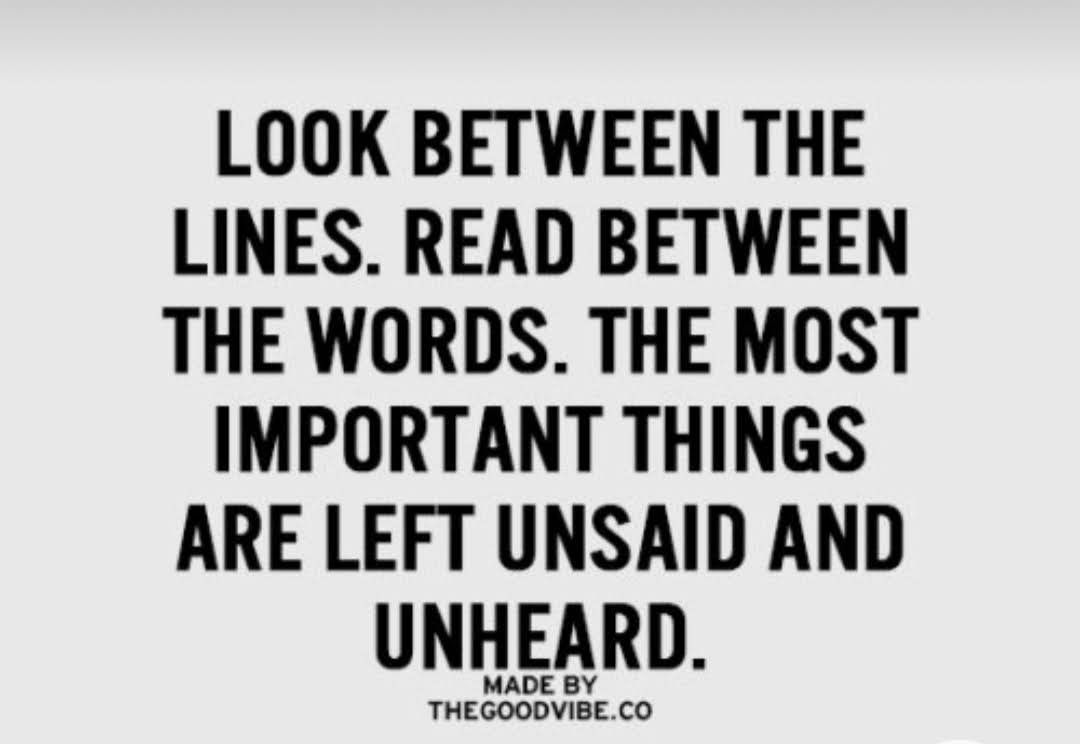
We’ve all heard the expression, “reading between the lines”. The expression has been around since the mid-1800’s. It means to understand what someone really means, even if they do not say it. The saying is derived from writing messages in invisible ink between the visible lines of a printed text.

A lot of people require you to “read between the lines” to really know them. We all have a story and it is up to us how much of our story we share. We must also decide who we share our story with. Are you an open book with nothing to hide? Do you tell every detail of your story to anyone who will listen? Or, are you a closed book, only revealing details to a select few in your inner circle?

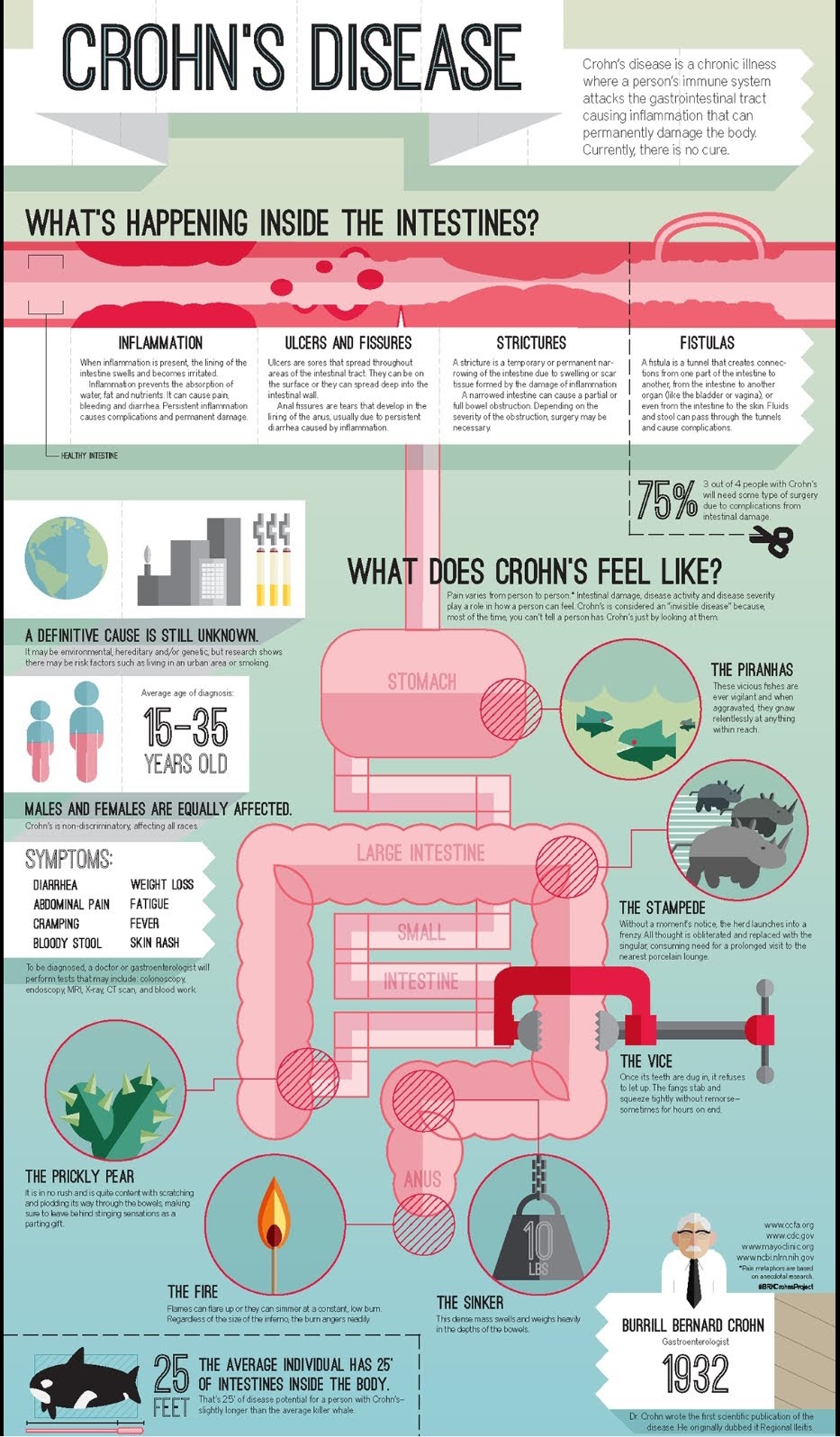
When I was first diagnosed with IBD -Inflammatory Bowel Disease – I didn’t talk about it. IBD covers Crohn’s Disease and Ulcerative Colitis. Fall 1993, I was diagnosed with Ulcerative Colitis, the not so glamorous cousin of Crohn’s. For almost ten years, I tried many meds and was in and out of the hospital lots of times. Eventually, I had major surgery to remove my diseased colon. I was symptom free and drug free for over a year. Then, the symptoms came back. I was diagnosed with Crohn’s disease. I had developed Crohn’s in my remaining intestines. When I was told I had uclcerative colitis, I remember thinking I was glad it wasn’t Crohn’s. I thought ulcerative colitis could be “cured” by removing my colon.

I had read between the lines and thought that a Crohn’s diagnosis was a life sentence. A chronic autoimmune disease is always with you. I was a closed book, only sharing details of my illness when needed. Through the years, I have become an open book. I have learned no one can help you if keep the book closed.

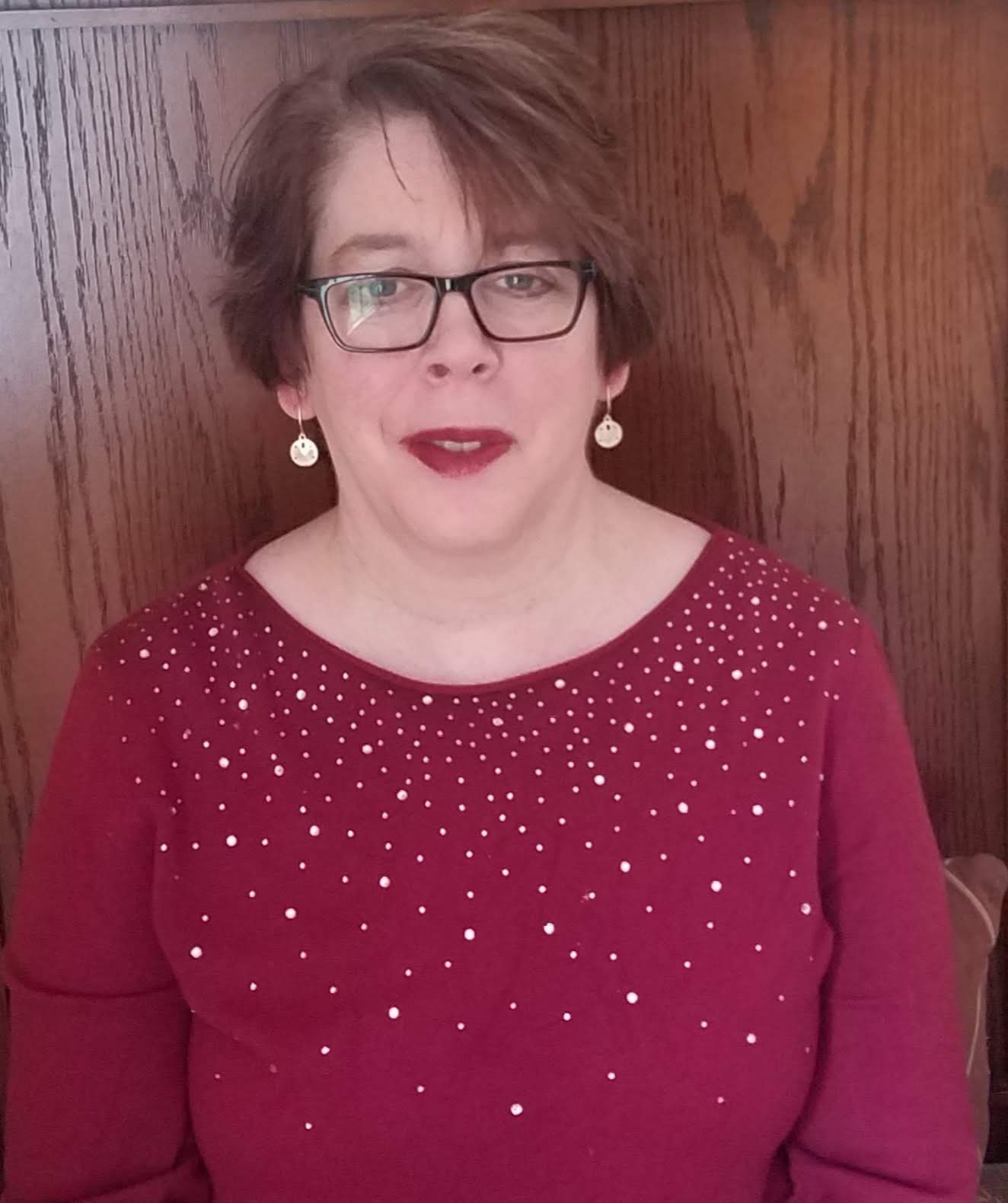
Living with an invisible illness means that the world, including those closest to you, only know the visible you. They have to read between the lines to know the invisible parts of your life. If you could see me, now, you would see me in a t-shirt and shorts, wearing my bifocals and what’s left of my make-up from earlier today. What you can’t see is that I have run to the bathroom 20 times, today. And, I’m a little scared because I don’t know what’s going on. I just started a new med. I checked the side effects. I learned it could take 3 – 6 weeks for the med to work. Something else you would have to read between the lines to know . . . I am not going to let my invisible life affect my visible life.

Over the years, I have gone from being a closed book to revealing a few details to handful of people on an as needed basis. Now, I am an open book, sharing my story with lots of people. I hope that by sharing my story, I can help others.

Reflection: Can you help others by sharing your story? What is your “between the lines” story?

Storm Damage

What do you think of when you hear of storm damage? Limbs and debris in your yard after a thunderstorm? Or, maybe you think of a winter storm with ice and snow. Many people, especially those on the East Coast and the Gulf Coast, think of hurricanes when they hear of storm damage. As I write this post, I’m watching coverage of Hurricane Ida in Louisiana. This is also the 16th anniversary of Hurricane Katrina.

On the day that Hurricane Katrina hit the Gulf Coast, I was facing my own storm. I was admitted to UNC Hospitals for a bowel obstruction. I was there for 17 days. It was one of the scariest times of my life. I was also 28 weeks pregnant with my daughter.

Many times in life we face crises of one type or another and call them storms. At no other time in my life was it more evident. As I lied in a hospital bed, listening to the TV and trying to watch some of the coverage of Katrina, I was trying to count my blessings. Yes, I was in the hospital. Yes, I was in a lot of pain. Yes, I was pregnant and losing weight because I couldn’t eat or keep anything down. But, I still had a home and all my family. I have learned that perspective is important.

So, more on my storm from August 2005 . . . I was 28 weeks pregnant with my second child. Everything was going great. I was feeling great. All was good. Then, I started having back pain and nausea out of nowhere. I had not had any morning sickness prior to this. I had a gut feeling that my issue was more Crohn’s related and not just a pregnant issue. I tried to eat and just kept feeling worse. I ended up going to the ER at my local hospital. I was admitted and stayed through the weekend. I was basically given nausea meds and advised to rest. I was told that what I was experiencing was just part of being pregnant. Not satisfied with that answer and still feeling sick, I called my doctor at UNC Hospital in Chapel Hill.

Monday, August 29, 2005, I spent most of the day lying on the couch in pain. I could not eat or ate very little. I was nauseous and vomiting. And, I had been five days without a bowel movement. This was huge for someone with Crohn’s whose normal day means going ten times a day. The call to my nurse at UNC GI Medicine was key to turning my storm around. She was able to tell from my description over the phone that I probably had a bowel obstruction. We immediately made arrangements with the grandparents for our son and drove the hour and twenty minutes to Chapel Hill. I started having contractions on the ride because I was so dehydrated. When we got to the ER, I was immediately admitted and given fluids. I spent ten days on the GI floor of the hospital and seven days on the OB floor.

I have been blessed that my husband has always stood beside me and supported me on my health journey. But, everything he saw me go through during this long hospitalization was eye-opening. I had a nasogastric tube (ng tube) inserted twice. The tube is inserted through the nose and goes to the stomach. You literally have to swallow the tube. This is put in to help remove the blockage. It is NOT fun to do.

Once the blockage was resolved and I was able to eat, I was transferred to the OB floor to monitor the baby. Our daughter was not the only addition coming that year. While I was in the hospital, my husband was also adding a family room and a laundry room to our house. 2005 was a big year for us.

I had a 20 day roller coaster ride of hospital stays in two hospitals. I was at one of the lowest points of my disease journey and scared of losing my baby. But, by a miracle and lots of prayer, I avoided surgery (that time) and have a beautiful daughter who turns 16 in a few months.

Each year on the anniversary of Hurricane Katrina, my reflections turn to my storm of 2005.

Reflection: What kind of storm damage do you have? Share your storms and let others help with your “clean-up”.

What’s the Plan?

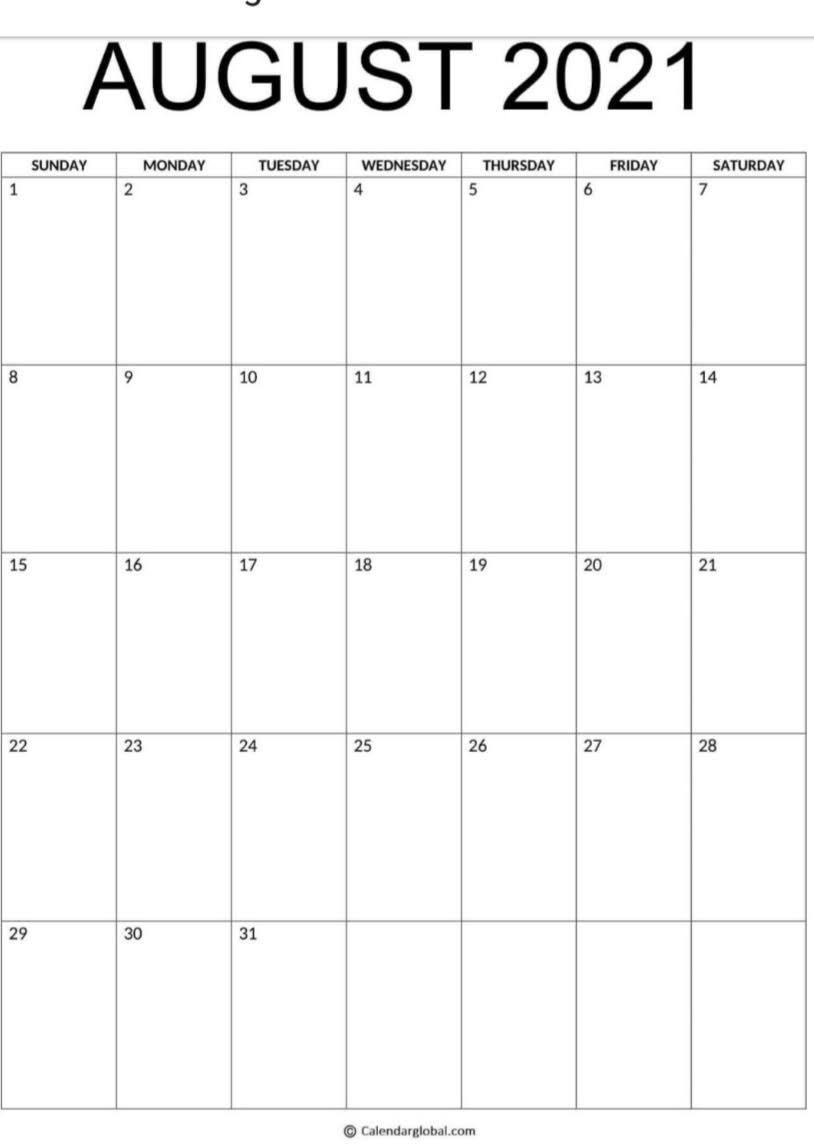
Calendars aren’t blank for long We make plans and fill the blanks, quickly.

* I started writing these blogs to educate and help others navigate their journeys with Crohn’s and invisible illnesses. I knew that at some point I would have to share the ugly side of my journey. This blog shows some of the ugly side. The good, the bad and the ugly of this journey has made me stronger.

** You can’t talk about coming out stronger if you don’t talk about what made you weaker.

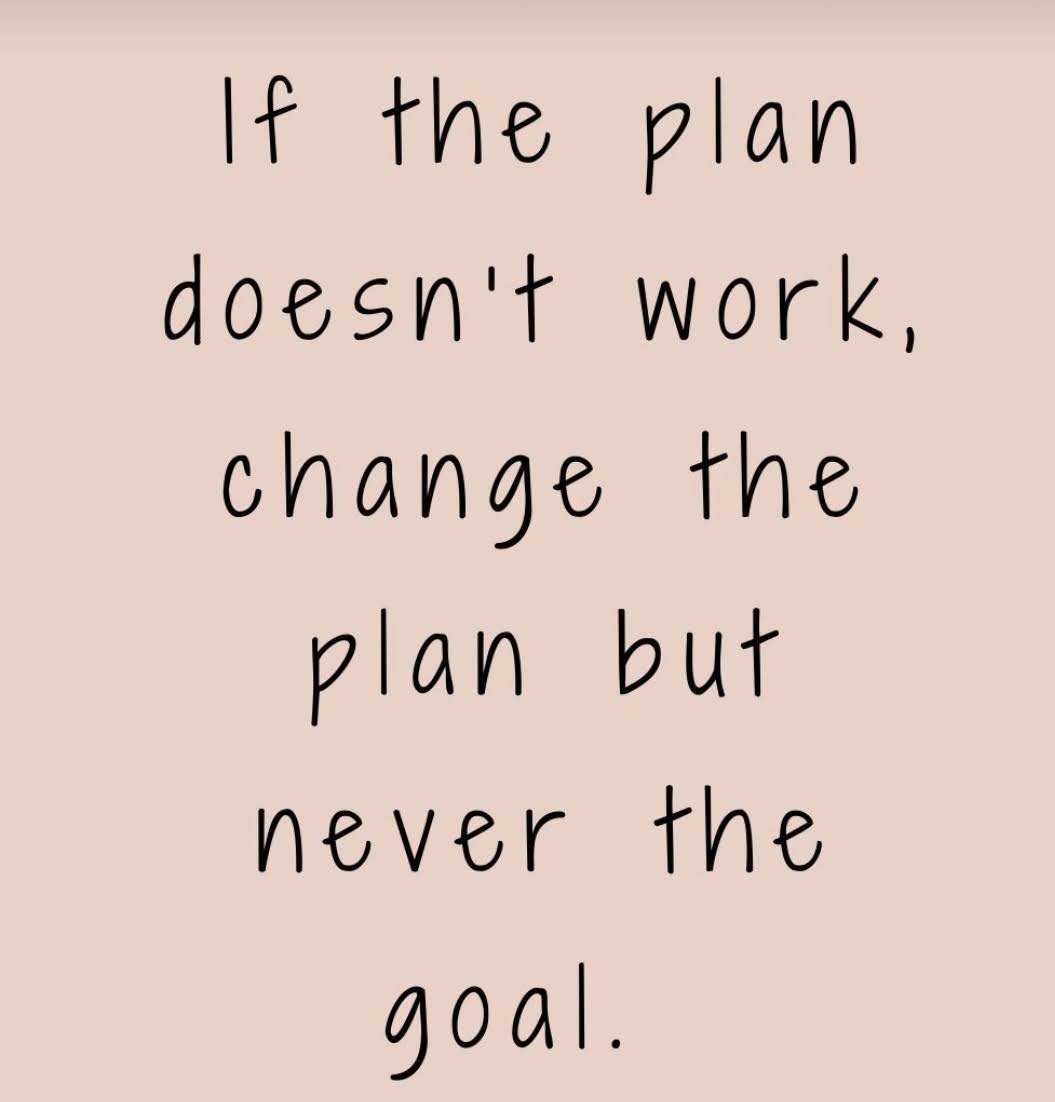
Are you a planner? Or, are you a “fly by the seat of your pants” kind of person? Do you plan your days? We plan parties. We plan weddings. We plan vacations. We have work calendars and home calendars. But, how far do we take the planning and scheduling?

Some of us have no choice. We have to be planners. When you have an autoimmune disease, especially one like Crohn’s, you have to do a lot of planning. If you have a morning appointment, your planning starts the night before. You go to bed early so you get 8 hours of sleep. Sleep is important to keep your energy up. The next important part of planning ahead is getting up early. I have always been a morning person.
With Crohn’s, I have to be a morning person. If I have to be somewhere at a specific time, I add an hour (or more) to my morning routine.

I have to plan for the unexpected . . . and, the unexpected is the ugly side of Crohn’s. (I have debated on whether to share all the ugly parts of my journey. It might be a little embarrassing but this blog is to educate and help others with autoimmune disease. To do that, I must move beyond the embarrassing parts.)

So, I am a planner. Planning gives me some order and, maybe, a little control. But, plans change. Recently, I woke up at 3:30 a.m. to go to the bathroom. It was too late. A lot of times, Crohn’s means having an urgent need to run to the bathroom. I have chronic strictures. A stricture is a narrowing of the intestine. It can be so narrow that it is almost completely blocked. When there’s a partial blockage, the stool will be blocked and partially bypass the blocked area (stricture). This causes diarrhea, often without warning. I have a procedure several times a year to stretch or dilate the stricture. Each time, I hope the stricture will stay open longer than the last time. It is both humiliating and humbling to be in your 50s and wear incontinence products because you never know when you might have an accident.

So, if I tell you I’m a morning person and I get up 3-4 hours before I have to be somewhere, it’s because I have to plan for the unexpected.

What are my other plans? My morning routine includes time to take 14 pills. Some of my extra time is in case I’m nauseous that morning. When I’m planning my week, I plan at least one day as a day to stay home and re-charge my batteries. It’s important to plan a rest day.

When you have Crohn’s or any autoimmune disease, you make plans, you break plans, change plans, and, you have back-up plans. The important thing is to keep planning.

Reflection: The best laid plans . . . may never happen. We all make plans that we have to change. The important thing is to keep planning.

Independence Day

Today is Independence Day. What does Independence Day mean to you? Is it a day you spend with family and friends? It’s the birthday of our United States of America – the day the colonies declared their independence from Great Britain. We celebrate with parades and cookouts and fireworks.

What does independence mean on a personal level? Independence vs. dependence. When we’re in high school and college, we can’t wait to be on our own. We want to declare our independence from our parents. We want to prove we’re independent. This desire to be independent goes back further than our teen years. Toddlers discover a new skill and proudly assert “me do it”.

I once heard that you shouldn’t ask someone else to do something you can do for yourself. When you’re diagnosed with an autoimmune disease like Crohn’s, you give up some of your independence.

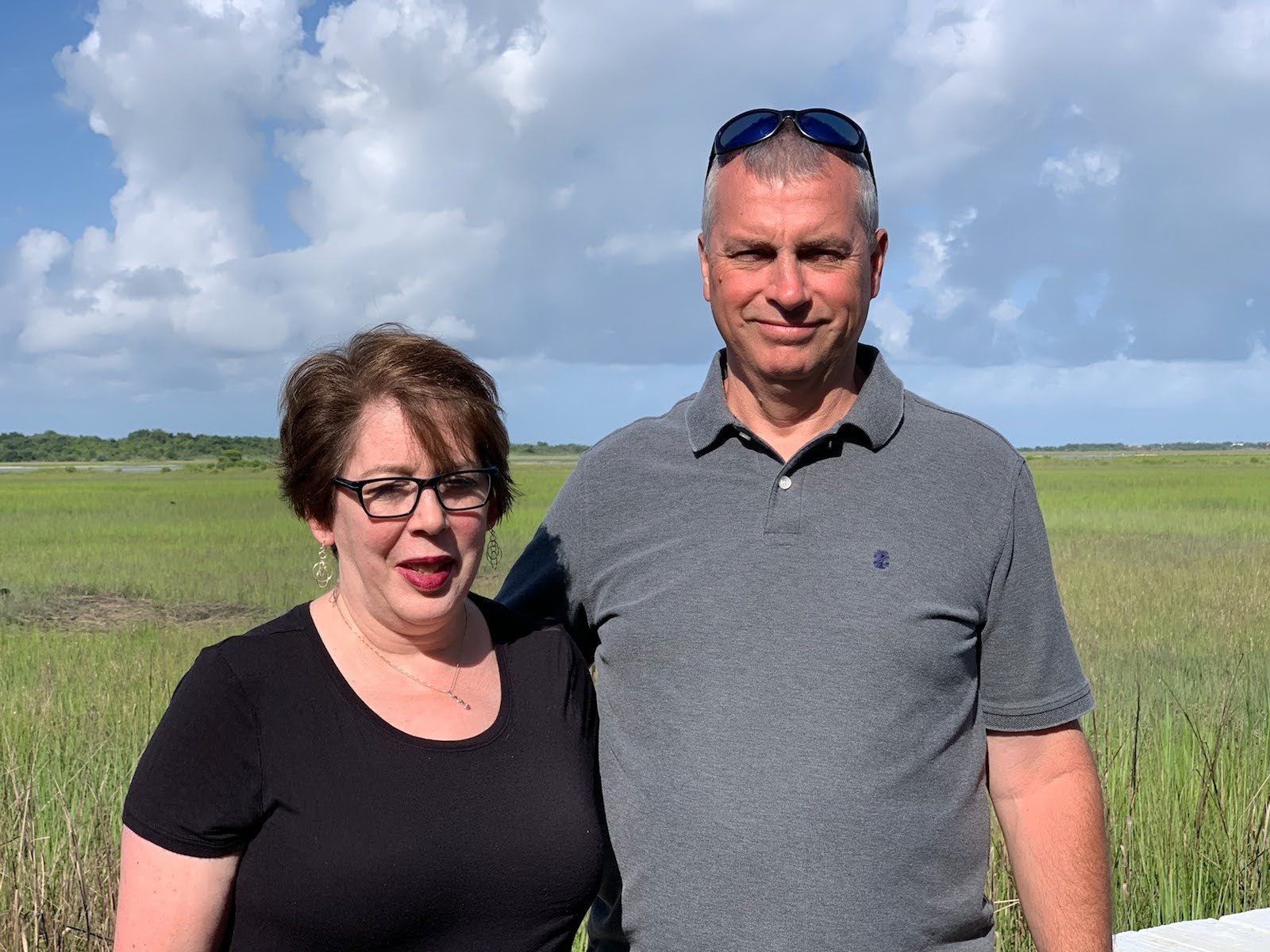
For me, my IBD (irritable bowel disease) journey began about four months after I got married. What a way to start married life. We had no idea how soon the marriage vows would be tested, especially, “in sickness and in health”. My husband has always stood by my side.

My husband, Russell, always by my side.

Crohn’s stole some of my independence. Once I was diagnosed, I was dependent on my medications, my doctor, my husband, my parents and my body. I depend on my medication to keep my going each day. I depend on my doctor to guide me on this journey. I depend on my husband to encourage me, comfort me, love me and take care of me on the days I don’t have the energy to be independent. I depend on my parents to take me to appointments and to take care of my children. I depend on my body to let me know when I need to rest. And, there are so many others I depend on – my in-laws, especially my mother in-law; my friends; my children; and, I even depend on my dog. I depend on all of them. If I was not able to be dependent on friends and family, I would not have energy for the times I can be independent.

Most importantly, I depend on my faith to get me through the struggles I face with this disease.

Reflection: As you celebrate Independence Day, think about who you depend on and who depends on you.

Breakfast of Champions

Better eat your Wheaties.

Growing up in the 1980s, I remember two slogans for Wheaties cereal – “Better eat your Wheaties” and “Breakfast of Champions”. Through the years, we have all said these phrases.

What does it mean when you say “Better eat your Wheaties”? If you had something big coming up that you needed extra strength for, something big like a move, then, you might say, “better eat your Wheaties”.

Another phrase born from this General Mills cereal was “Breakfast of Champions”. The cereal box would feature different athletes, especially Olympians. This phrase is used a couple of different ways. It can describe a large, healthy breakfast. Or, it is often used sarcastically to describe what someone is eating that is far from being healthy. Sometimes, I will describe my morning dose of medicine as my “breakfast of champions”.

My “breakfast of champions”.

Fourteen pills every morning, plus, two shots every two weeks. Most mornings, I wake up with a headache or nausea. I have other pills for that. I have been known to eat almost anything for breakfast or nothing at all. Breakfast literally means to break your fast. We fast or don’t eat overnight. How we choose to break our fast is important. It sets the tone for our day. When your mom told you that breakfast is the most important meal of the day, she was right. My breakfast of pills and capsules can change the course of my day if I miss any of them.

I try to eat within an hour or two of waking. I start with something small, usually a protein bar. I have to eat something before I take my medicine. I definitely feel better if I eat before taking my medicine. Routine is important, too. If I get out of my routine, I have to be very careful not to skip my meds.

Are you a creature of habit? Are you driven by routine? We learn as infants that life goes smoothly when we follow a routine. And, like infants, when our routine is disrupted, the rest of the day is off.

So, remember to “eat your Wheaties”. You have important work to do.

Reflection: What is your “breakfast of champions”? Whatever it is, make the most of each day.

Hold, please . . .

*** I’m glad to post another blog, this week. I had to take a little break. We have recently sold our home. We will be building a new home, soon. During this period of transition, we will live with family. ***

Thank you for bearing with me during this time of change.

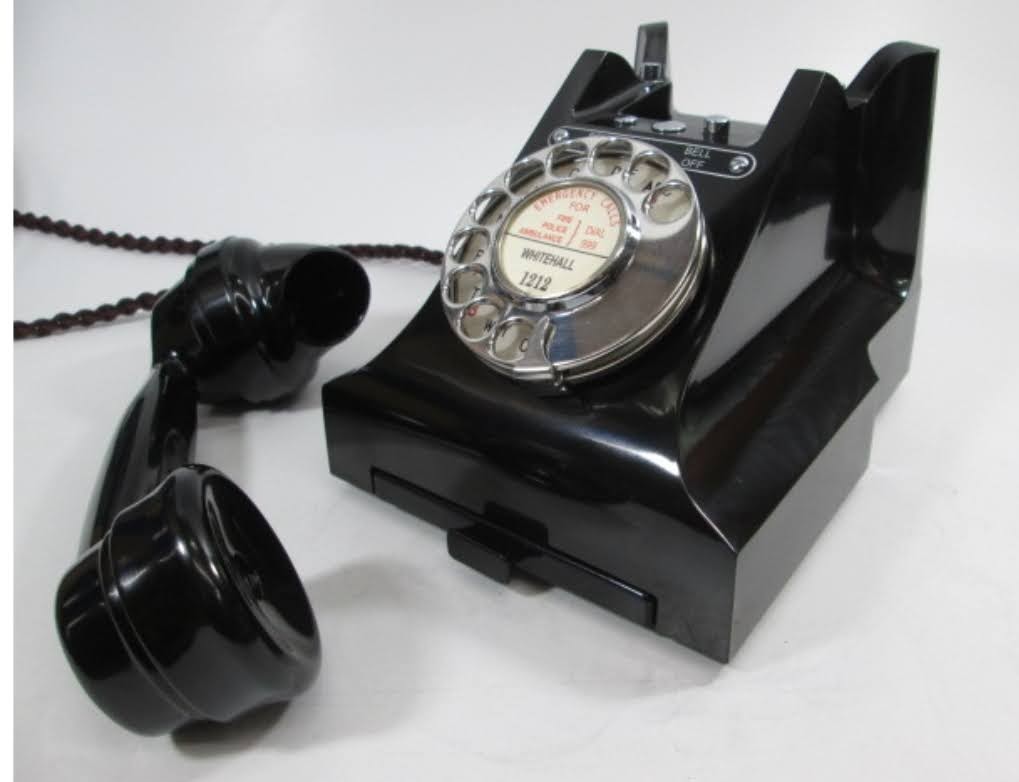
Who remembers phones like this? The phone would ring and most of the time, the person who answered the phone was not the intended recipient. The only way to put the call “on hold” was to lay the receiver down like in the picture. Of course, the call wasn’t really “on hold”. The person on the other end could still hear whatever was being said.

Life is kind of like that. You try to put things on hold – home projects, a dreaded phone conversation, etc. But, just because you lay something aside, it’s not really on hold. Life goes on. And, if you’re like me, you have more than one life . . . mom life, wife life, friend life, volunteer life. How many lives do you have?

When you have a chronic illness, you lead a double life. You’re either the sick version of yourself or you’re the “normal” you. And, sometimes, you land somewhere in between. I know there have been times that I have kept going when I should have put everything on hold.

Stress can be a big trigger for a Crohn’s flare. I have made special efforts to keep my stress down during this move to avoid a flare. Thank God for wonderful friends and family who have helped with anything we needed. The more help I am able to get, the more I am able to do and the less I have to put on hold for another day.

There have been many times, during a Crohn’s flare up, that my life is on hold. All of my lives are on hold. I have lots of experience being a patient. The worst part of having a chronic autoimmune disease is putting life on hold. Believe me, there is nothing glamorous about sitting around watching TV because you’re too sick to concentrate on reading. It’s very humbling to know that when you’re sick, your family has to put their life on hold to take care of you. And, there are times that I should be helping my mom to clean her house or do other projects, but, she has to drive me to procedure appointments or clean my house.

With my recent move, I have unintentionally put some of my life on hold. Sometimes, you have to put some things on hold to regroup and prioritize your projects and obligations.

I would love to put my Crohn’s life on hold. Maybe one day there will be a cure and Crohn’s will be in the rear view mirror.

One lesson Crohn’s has taught me is that you voluntarily put parts of your life on hold to re-charge your batteries. It is much better to approach life that way rather than wait for your body to hit a wall and shut itself down. Then, you have to put ALL your life on hold.

Reflection: Are you putting your life on hold or is life putting you on hold? Take care of yourself and all of your lives.

Time Marches On

Have you ever thought about how we measure time? Of course, we have clocks and calendars and smart watches and electronic reminders and any number of ways to show us what day and hour it is. Then, we have other ways we each mark time. We have birthdays and anniversaries. Sports fans mark opening day of their favorite sport. Parents talk about the BC years (before children). We even have different years. We have the calendar year, fiscal year and school year.

People with chronic illnesses have a different way of measuring time. We measure the time between surgeries and hospital visits.

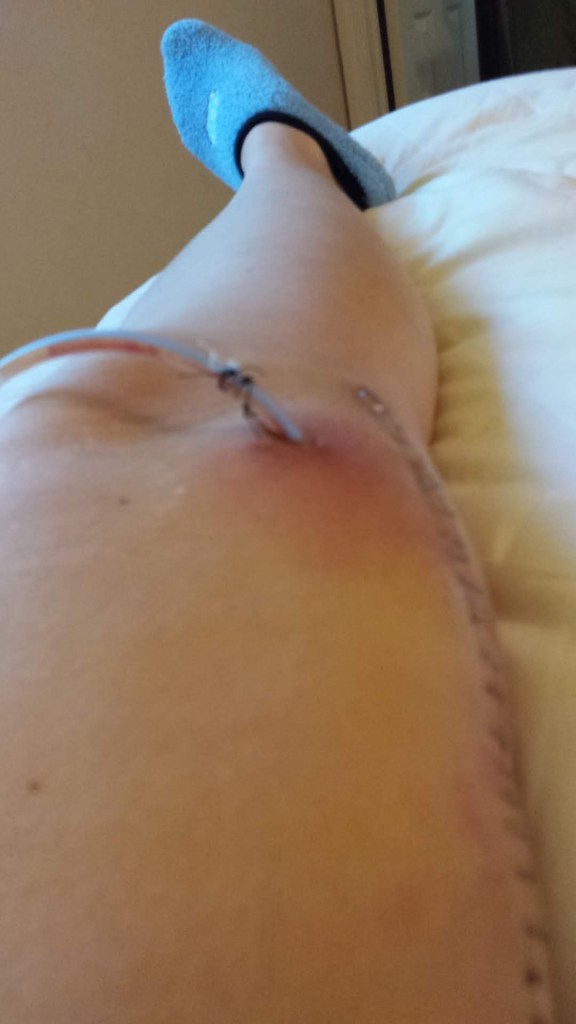
I am happy to say it has been six years since my last major surgery. 2015 was a tough year. I had two major surgeries. Plus, I was in the hospital a week for an infection. And, I had four outpatient surgeries. All of this was between January and April. I have come a long way since then.

A drain tube in my leg and 50 staples. This was just before I went back to the hospital for an infection around the drain tube.

Praying I can continue to mark 2015 as the year of my last major surgery.

Reflection: Time marches on. Don’t just mark the time in your life by the big events. Live the little moments in between the big events.

Love the Life You Have

We are all dealt a set of cards. The cards are a metaphor, of course, for our life. How we choose to play our cards is key. Do we hold our cards close? Do we show our cards? Or, do we keep the cards we like and trade in what we don’t like?

In life, we cannot always draw a new card. Win, lose or draw, we have to play what we’re dealt. I was dealt a hand of Crohn’s disease. Almost 800,000 other Americans have been dealt this same hand.

We all play our cards a little differently. When I was first diagnosed, I held my cards close. I kept my Crohn’s diagnosis secret from most people. Crohn’s is also known as the “bathroom disease” because the main symptom is diarrhea. Well, who wants to talk about that? There is a lot more to Crohn’s. It affects the entire digestive tract. It also affects your entire life.

When I was younger, I loved books and writing. I always wanted to write. I was also a news junkie in high school and college. I studied journalism. I thought I wanted to be a reporter. I moved home after college and started working in medical offices. I used to beat myself up over not writing or doing anything related to what I had studied. I kept thinking that maybe, just maybe, one day I would get back to writing. The more time that passed, it seemed unlikely. I worked in medical offices for 15 years. And, thank God, that’s where I was when I was diagnosed.

I would not trade my experiences for anything. But . . . for many years, I had regrets that I was not working in my major. Then, when I stopped working full time, I was embarrassed to say I wasn’t working. I felt like I was doing something wrong because my life didn’t “fit”. My life didn’t fit the mold I had created in my mind. It also didn’t fit the mold of what I thought everyone else thought my life should be. It took me years to embrace my life. I’m so glad I did.

Once I decided to love the life I have instead of pining for the life I might have had, everything fell into place. I am writing and spending time with friends and family. I never would have thought that this illness that changed my plans and took me on a detour would bring me back to my dream of writing.

Reflection: Spend your time being thankful for the life you have. Love who you are, where you are, and how you got there. Don’t waste time on what you think your life should be. Your life is exactly what it needs to be.

Parts is Parts

“Parts is parts” was heard in an ’80’s TV ad for Wendy’s chicken. I think the ad was actually referring to McDonald’s chicken nuggets. Well, all parts are definitely not equal. Through modern medicine, I have learned that we can have new parts to function in ways the old parts can no longer function.

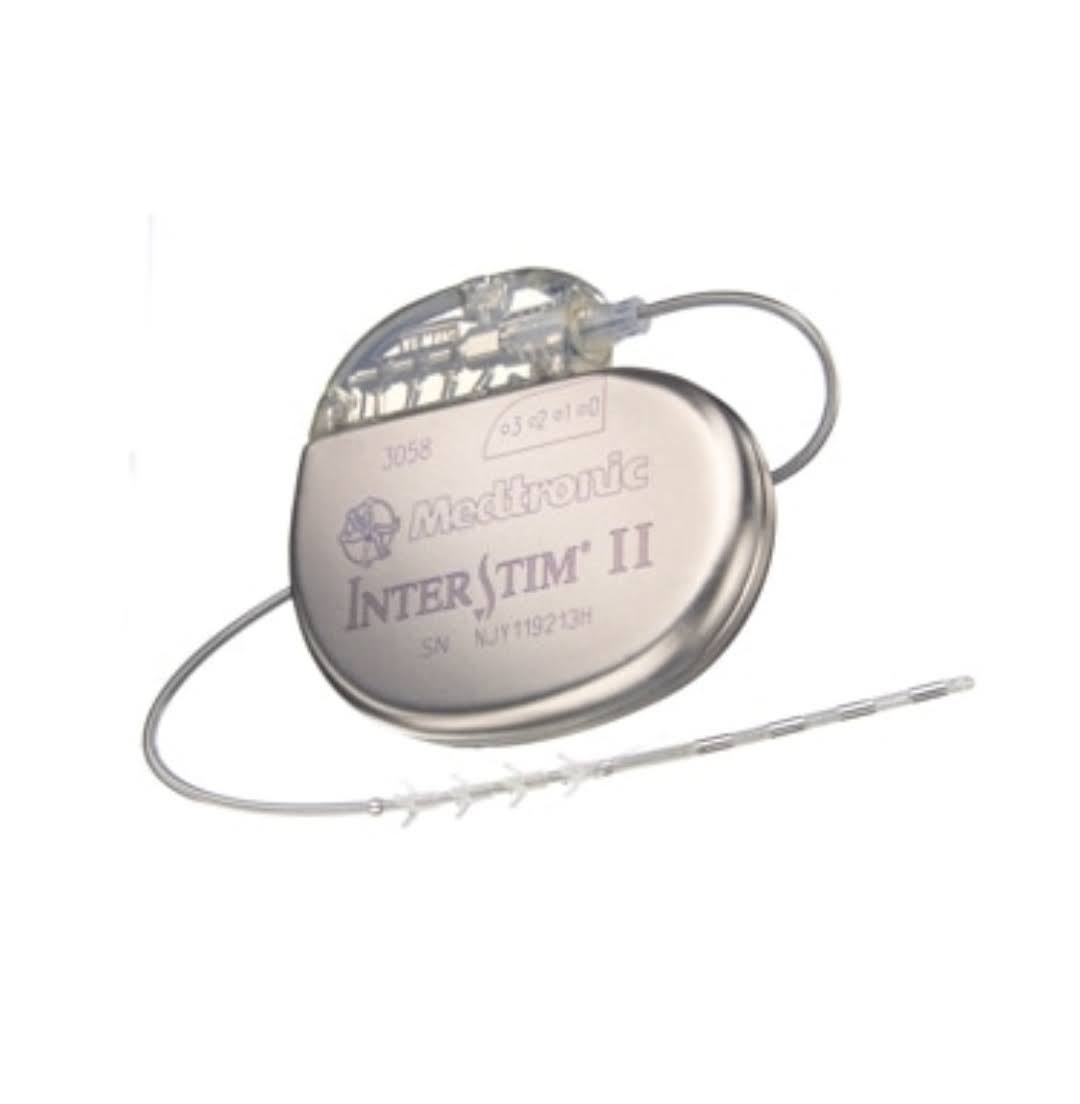
I am certainly not the first to receive new body parts. What is unique is that my part is not a hip, a knee or any other bone. It is a nerve stimulator. It helps my nerves communicate with each other.

The sacral nerve gives the signal to go to the restroom. If these nerves are not communicating, you might miss the signal.

Occasionally, I experience incontinence related to Crohn’s. It has been the result of various subset diagnoses. Crohn’s is a whole body disease. A lot of Crohn’s patients have chronic kidney stones. Others, like myself, have chronic fistulas and strictures.

I have had surgery to remove parts — colon (large intestine), appendix, and a muscle was removed from my leg for a fistula repair. A few years ago, I gained a new part. I have a sacral nerve stimulator, also known as a neurostimulator. It is a pacemaker-like device that communicates with my nerves. This device does what my own nerves are no longer able to do on their own.

“Parts is parts” also reminds me of a verse in the Bible. 1 Corinthians 12:12

“Just as the body is one and has many parts, and all the parts of the body, though many, are one body, so it is with Christ.”

All parts of the body have a function. But, they all work together as one body. All the parts of the body of Christ have a function. What is your function?

Part can also refer to a role, like in a play. What does part mean to you? What is your part in this world? What role do you play? Do you think parts is parts?

Reflection: Do changes to your physical body change your part, your role in the body of Christ? How do tangible changes in our life change our outlook?

More Spoons, Please

It is nearly impossible to explain all the nuances of daily life with Crohn’s or any other chronic illness. You wake up thinking that maybe this is the day you finally feel like checking off some of your to do list. And, if you’re lucky, that is what happens. But, more likely, you start strong until your body decides it has had enough.

A typical day . . .

The day starts when I climb out of bed at 4:30 a.m., after lying awake for an hour. (Occasionally, I am lucky enough to sleep til 5:00 or 6:00.) I start my day exhausted. I try to get eight hours of sleep. Usually, it is only six hours.

Next, I shower, unless, it is one of the days I wake up nauseous. If that’s the case, I have a snack before I get started. I take 15 pills a day, plus two shots every two weeks to keep me going. And, sometimes, it’s still not enough.

Fighting fatigue is a constant battle. Chronic fatigue in autoimmune disease is much more than being tired. It is exhaustion past the point of being remedied with a nap. We have an energy bank and we must prioritize our withdrawals.

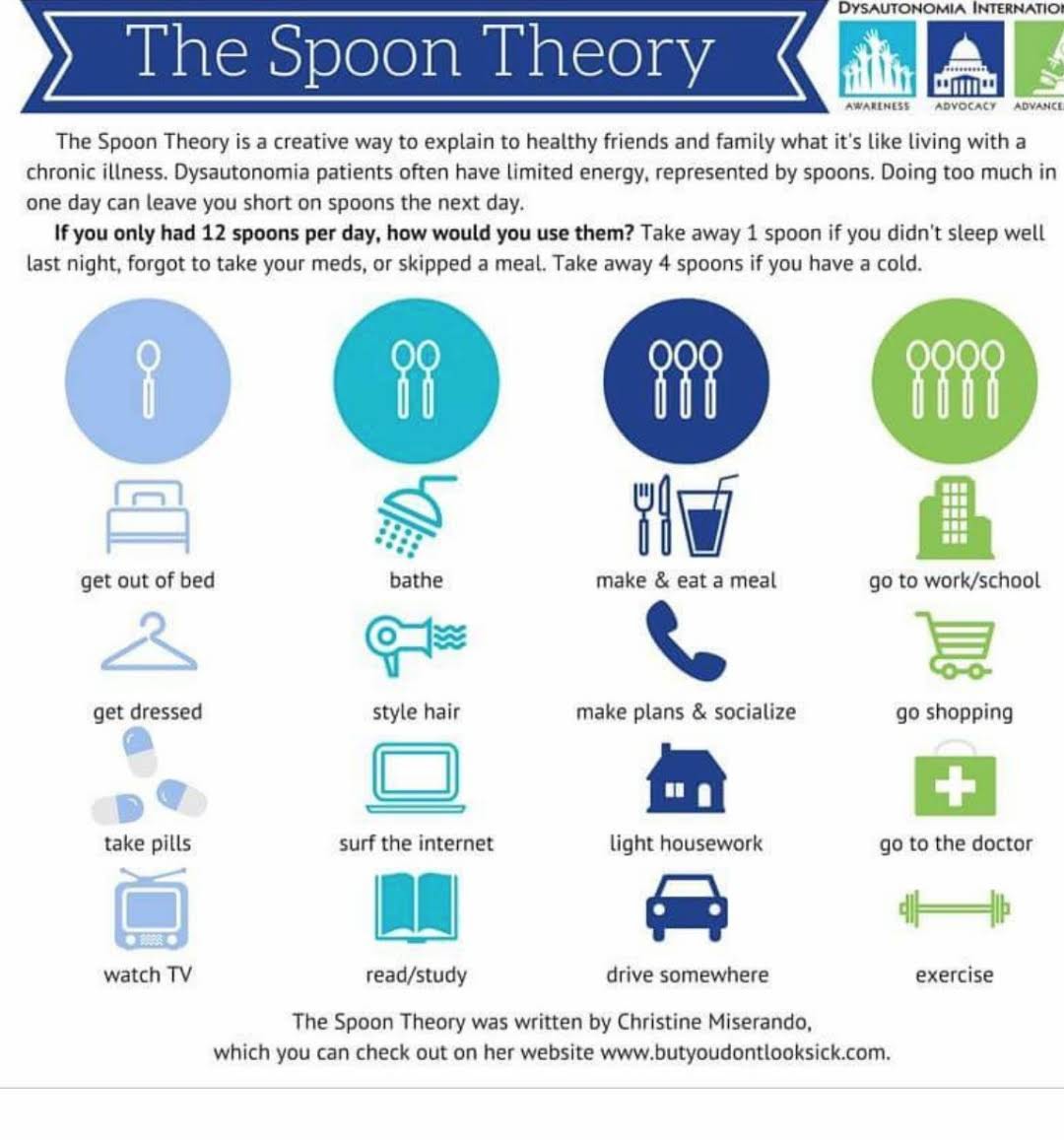
Writer Christine Miserandino developed The Spoon Theory while trying to explain to a friend what life was like living with Lupus. There is a chart that does a good job explaining The Spoon Theory. Basically, we start each day with a certain amount of energy, measured by spoons. In other words, we are allotted a number of spoons each day to spend on our daily tasks. Let’s say, we start with 12 spoons each morning. At the end of a good day, we may have spoons left over. Or, if it’s a bad day, you have a spoon deficit. Each task we do uses spoons – everything from a shower to laundry and buying groceries. Some tasks take more spoons. If you have a chronic illness, you might need more spoons than a “normal” person for the same task.

Here’s a link to The Spoon Theory written by Christine Miserandino – http://www.butyoudontlooksick.com/articles/written-by-christine/the-spoon-theory/

This is one reason people with chronic autoimmune diseases have to change plans a lot, especially at the last minute. I have always been a planner. I still am. But, I have to have a backup plan, too. I have found it is important to have a plan. Then, I can prioritize what to spend my spoons on or what activity is worth pushing through.

Reflection: Do you have a plan? A backup plan? Where will you spend your spoons, today? Know when to keep on keeping on and when to slow down and rest. And, make the most of your good days.

*** Today is a good day.